Everyday Habits for Better Wellbeing: Small Changes That Add Up
Six everyday habits that public-health guidance returns to again and again, and how to start each one small enough to keep.
Research and writing
Articles credited to the Diurna Editorial Team are researched and written in-house. We begin with guidance published by bodies such as the World Health Organization, the NHS, the CDC and the National Institutes of Health, read the underlying research where it adds something, and link every source at the foot of the article.
We use AI-assisted tools to help with research and drafting. A human editor checks each claim against the source it cites before an article is published, and stays responsible for what appears under our name.
If we get something wrong, we correct it openly. Our corrections policy explains how to report an error and what happens next.
Six everyday habits that public-health guidance returns to again and again, and how to start each one small enough to keep.
A calm, step-by-step way to start eating better: what to add first, what to cut back gently, how to read a food label and how to shop.

Recommended hours of sleep for every age, how to tell whether you are getting enough, and why the quality of sleep matters as much as the amount.

A realistic morning routine built on what the evidence supports: a steady wake-up time, daylight, water, breakfast and a few minutes of movement.

Why most exercise plans collapse within weeks, and a practical way to build an active routine that survives busy, tired and unmotivated days.
How much fluid adults need each day, what counts towards it, the signs of dehydration, and why eight glasses is a guide and not a rule.

What mindfulness is and is not, what the research supports, simple ways to practise in a few minutes a day, and when it may not be right for you.

What stress is, how to tell it from anxiety, and practical techniques for everyday pressure, including a five-minute breathing exercise.

What preventive healthcare is, how screening and vaccination work, and how to find out which checks are recommended for you where you live.
A practical evening routine built from NHS, CDC and NIH sleep advice: what to do in the day, the hours before bed, and when you cannot sleep.

What sleep hygiene means, the body systems behind it, the habits that sleep experts recommend, and what to do when good habits are not enough.

What regular movement does for your heart, mind, sleep and long-term health, how much adults need, and why any amount is better than none.
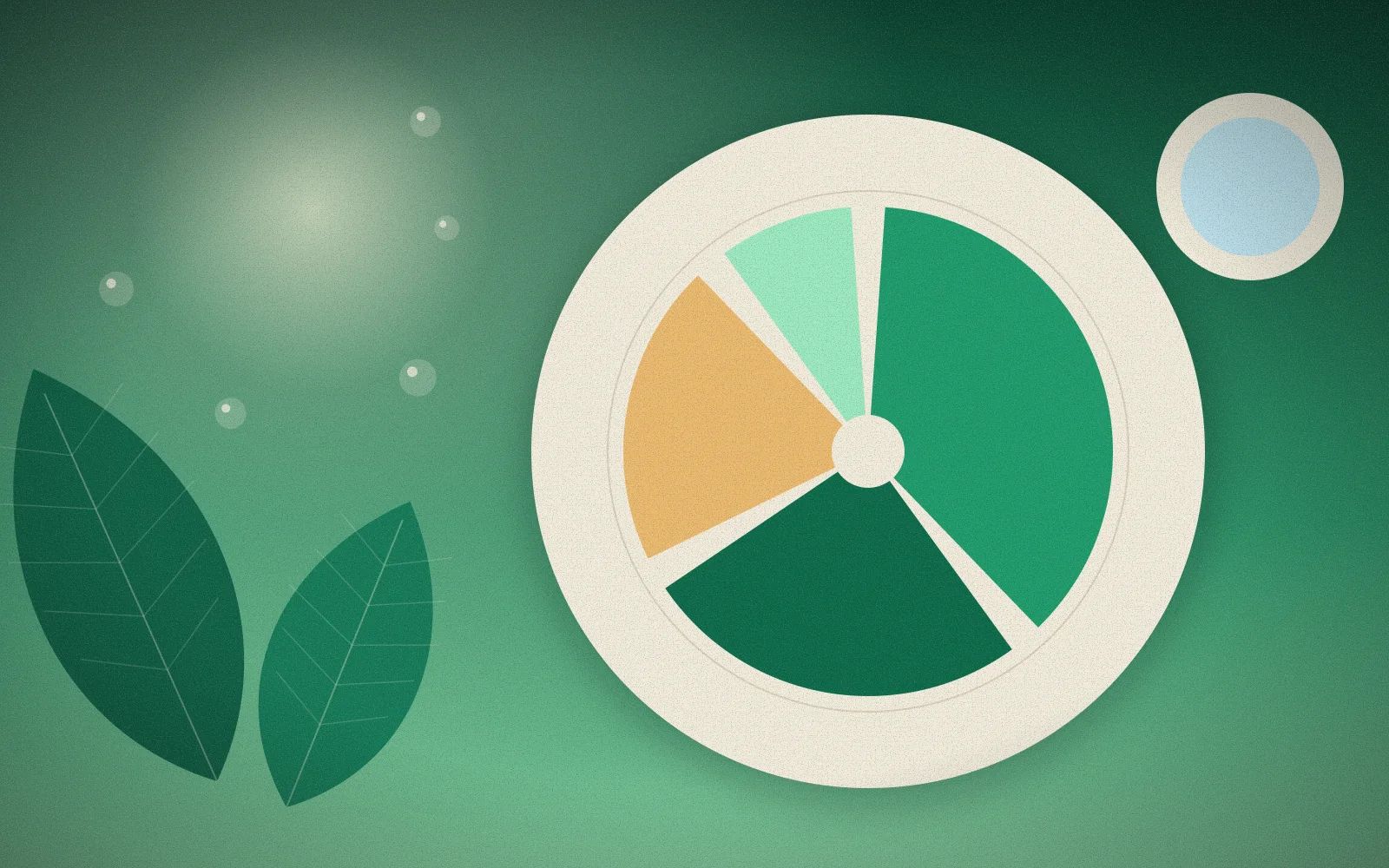
What a balanced diet means in practice: the food groups, sensible proportions, and the limits on sugar, salt and fat that health bodies recommend.

How brisk walking improves your health, how fast and how far to walk, what the research says about 10,000 steps, and how to make it a habit.
How relationships affect physical and mental health, the difference between loneliness and isolation, and practical ways to build connection.